25.11.2026• Modular Buildings
How Long Do Modular Buildings Last? Lifespan, Maintenance and Warranties

We get this question all the time, and it stems from a misconception the modular building industry has faced since conception: that modular construction is only suitable for temporary structures. Perhaps it’s that they’re manufactured off-site, or the fact that they’re craned into position. Whatever the reason, the assumption that modular = short-term is still surprisingly common.
In reality, a well-designed modular building has a service life of 40 years or more, equal to conventional commercial construction. The actual important factors are the building’s original specification, construction quality, installation, environment and ongoing maintenance.
And there’s another point to understand: a modular building’s lifespan doesn’t necessarily end simply because it’s been in service for 15, 20 or even 30 years, and is no longer needed in that location. With the right inspection and refurbishment, an existing building can be repurposed and used for many more years
So, how long do modular buildings last, what affects their lifespan, and what should you look for when buying new or refurbished space? Let’s get into it.
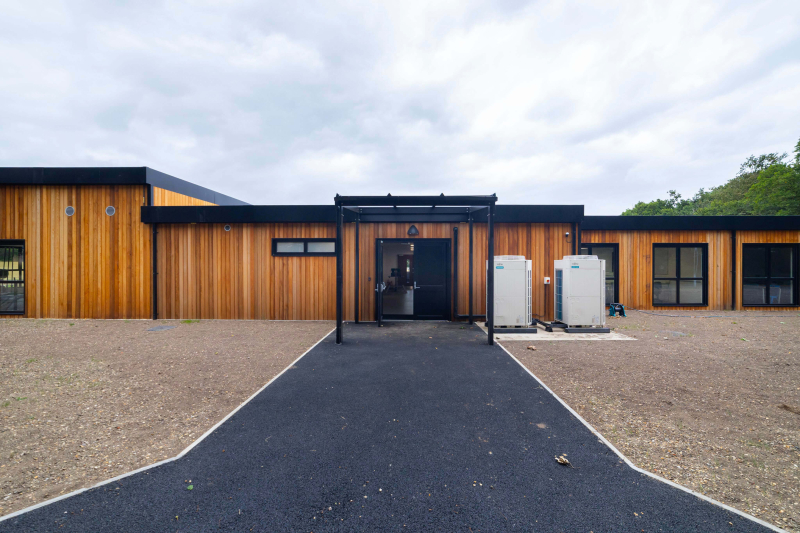
What is the Lifespan of a Modular Building?
As discussed, a modular building’s lifespan depends more on whether it was designed for temporary or permanent use, rather than just the fact that it was manufactured off-site. Here’s what you can expect from these buildings, as a general guide:
- Permanent modular buildings: Designed for long-term use, with design lives commonly in the region of 40 – 60 years, depending on the specification.
- Temporary modular buildings: Often designed for shorter-term or relocatable use, although well-maintained structures can remain serviceable for 25 – 30 years or longer.
- Used and refurbished buildings: Their remaining service life depends on their original construction, condition, maintenance history and the quality of any refurbishment work.
At PF Modular, we design buildings for 40+ year lifespans, comparable to traditional construction. This design target isn’t its maximum lifespan either, and it can last for far longer if well taken care of.
The key takeaway? Modular construction doesn’t dictate how long a building lasts. Its design and specification do.
Are Modular Buildings Suitable for Permanent Use?
Absolutely! Modular buildings can be designed and constructed to meet permanent building standards, including the relevant structural, thermal, fire safety and Building Regulations requirements of the UK.
A building designed for permanent use will generally have the structural design, insulation, weatherproofing, and external finishes suited to decades of occupation.
Temporary accommodation, on the other hand, will have a specification that’s based on its intended lifespan, relocation requirements and use. That doesn’t necessarily mean it’s poorly made or unsuitable for repeated use, but it’s important for buyers to understand what they’re purchasing.
If you’re considering a modular building for a school, office or other long-term facility, ask the supplier to confirm its intended design life and provide the relevant specification and compliance information.
Note: You can find out more in our guide to what modular construction involves.
What Affects How Long a Modular Building Lasts?
Now that you know that numerous factors affect a modular building’s lifespan, you’re likely wondering what exactly they are. Because, like any building, modular accommodation needs to be properly designed, installed and maintained. Here are the factors that have a particularly important influence on its longevity:
1. Structural materials and construction quality
The structural frame is central to the building’s long-term performance. At PF Modular, we use a hot-rolled steel beam and post structural frame.
The quality of the roof, external cladding, insulation, windows, doors and connections between modules is also important, since these elements protect the building from weather and wear.
2. Foundations and installation
Even a well-manufactured building can develop problems if the installation doesn’t happen correctly.
Foundations must be designed for the specific ground conditions and the building’s loading requirements. Poor drainage, uneven support or inadequate preparation all create movement, water ingress and other problems as time passes.
3. Weather and environmental exposure
A building in a sheltered location will face very different conditions from one exposed to coastal weather, driving rain, strong winds or an industrial environment.
Moisture and corrosion need particular attention. External finishes, protective coatings, seals and drainage systems must all suit the location.
4. Occupation and everyday use
A busy school, healthcare facility or workplace will experience different levels of wear in comparison to a lightly used site office or storage building.
High footfall, heavy equipment, moisture and frequent use of doors and fittings are all likely to increase maintenance requirements (this is why a building needs to be specified for its actual purpose, not just its dimensions).
5. Maintenance and timely repairs
Perhaps the biggest controllable factor is how well the building is looked after.
Small issues, like a damaged roof seal or blocked gutter, are much easier and cheaper to address before they lead to water ingress and more extensive damage. Regular inspections and a sensible maintenance plan will make a substantial difference to the building’s lifetime.
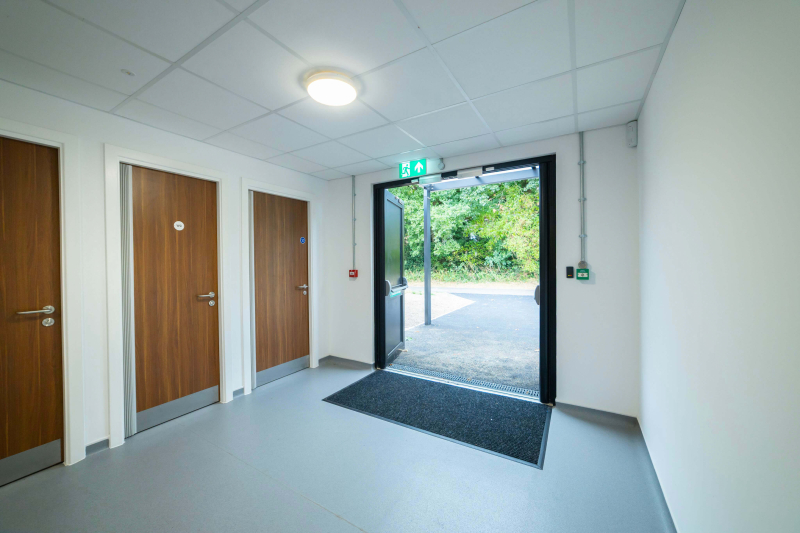
What Warranties Do Modular Buildings Come With?
Warranty coverage varies between manufacturers, building types and individual components. There isn’t one standard warranty that applies to every modular building.
A new permanent building may have separate warranties covering its structural frame, roof, external cladding, windows, doors, fixtures and building services. These can have different durations and conditions.
Also, a 40-year design life doesn’t mean every component is guaranteed for 40 years. Which is why, before purchasing, we recommend you ask for written confirmation of:
- The building’s intended design life
- What structural and component warranties are included
- When each warranty begins and how long it lasts
- What maintenance is required to keep cover valid
- What is excluded, including damage caused by misuse or inadequate maintenance
For used and refurbished buildings, warranty arrangements may differ from those offered on new structures. Ask the supplier to confirm exactly what cover applies to the building and any new components or refurbishment work.
Note: While we can’t share one straightforward warranty, we can share PF Modulars’ Accreditation Certificates, which you can view by clicking on the links below
- Constructionline Gold Membership
- Constructionline Silver Membership
- Constructionline Bronze Membership
- Certificate of Health & Safety SSIP
- Social Value Certificate of Completion
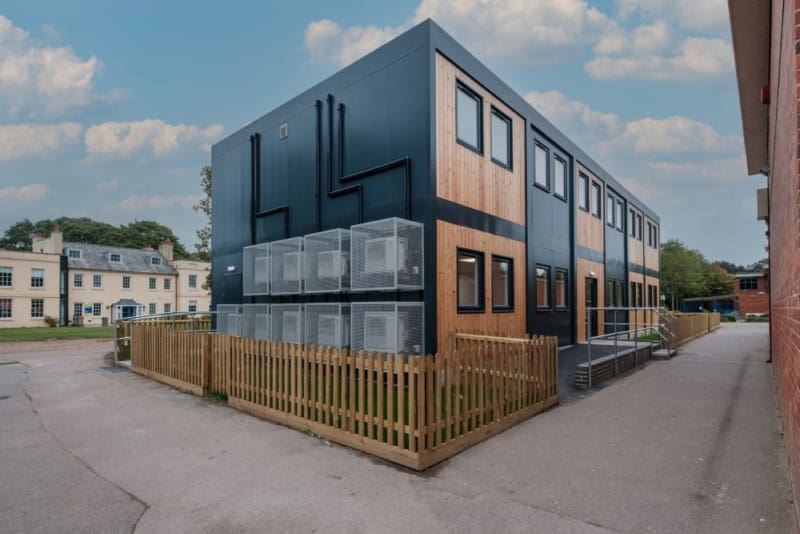
Are Used and Refurbished Modular Buildings Worth Buying?
For many organisations, they can be an excellent option, particularly when budget or delivery times are important considerations.
A used modular building has already had a previous life, but that doesn’t mean it’s nearing the end of its useful service. The important thing is to understand its condition, original specification and maintenance history.
A refurbished building goes a step further. It has been inspected and upgraded, with worn or unsuitable elements renewed to prepare it for its next use.
At PF Modular, the refurbishment process includes structural inspection, repairs, renewed finishes and fittings, and customisation to suit the customer’s requirements. Heating, electrical and plumbing upgrades can also be incorporated where needed.
A modular building can be a long-term asset, not just a short-term answer to a space problem. With the right specification, professional installation and regular maintenance, it can provide purpose-built space for decades. Take a look at PF Modular’s used modular buildings for sale to explore the options.
Related Posts

24.11.2026• Modular Buildings, Posts & News
How much does a modular building cost in the UK?
A new modular building from PF Modular costs from around £1,950 per square metre for a standard classroom or office, £2,250 per square metre...
Continue Reading
23.11.2026• Modular Buildings
Modular Nursery Buildings: Expanding Early Years Places on a School Site
For primary schools and academy trusts, opening a nursery can be a great way to strengthen relationships with families, support children’s transition into Reception...
Continue Reading29.10.2026• Modular Buildings
What Is a Modular Building? A Plain-English Guide for UK Buyers
Have you started looking into modular buildings and keep coming across different terms? Modular construction, off-site construction, prefabricated buildings and portable buildings might all...
Continue Reading