24.01.2020• Buildings
Significant CO2 Savings Using Modular Construction
Carbon Dioxide Savings Report
Modular buildings have many advantages over traditional construction methods, and sustainability and CO2 savings are ones that will play a key role if the construction sector is to lead the way in reducing carbon emissions.
A study undertaken by Arup & Partners (“CO2 emissions from use, scrapping and manufacture of modular buildings”) concluded modular buildings offered an alternative and sustainable solution to traditional buildings across 4 key measures, but what about refurbished modular measured against new modular?
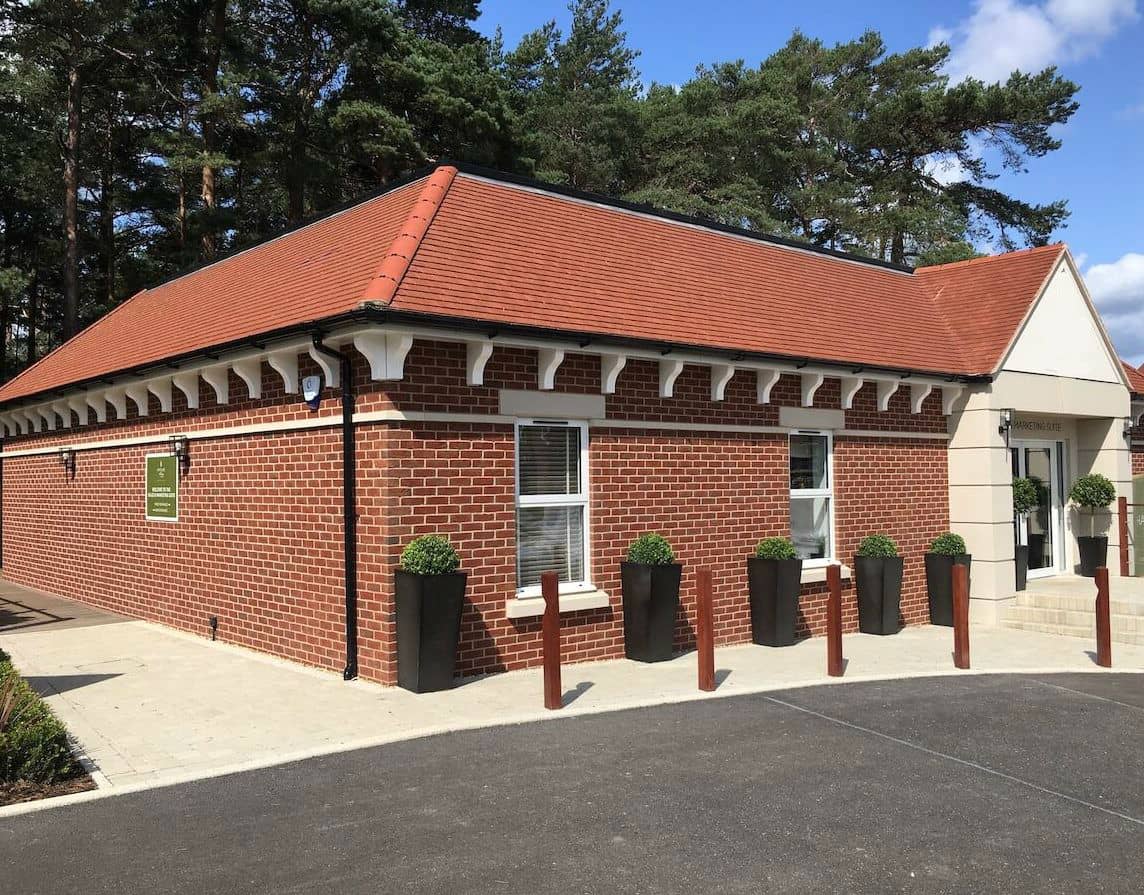
We commissioned an independent study to determine the carbon emissions savings that could be achieved by re-using and refurbishing a ‘typical 5-bay modular building’ compared to the equivalent new modular building.
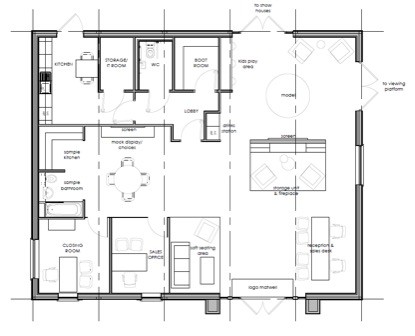
The building is constructed from two end bays and three intermediate bays.
Since both the fabric and building services, along with build specification and transport, would be common to both a newly constructed modular and a re-used/refurbished modular, we focused on the CO2 emissions associated with:
- Reusing the main steel structure
- Not manufacturing a new main steel structure
- Recycling approximately 6.96 metric tons of waste from the refurbishment process
Assuming 12m x 3m x 3.2m pre-owned modules were used to create a 5-bay Sales & Marketing Suite, the overall carbon savings have been calculated at 47.682 TCO2 that represent impressive CO2 savings of approximately 42% against a comparable new-build modular suite. Remember too that at the building’s end of life significant elements of the buildings can be recycled again.
For more information, you may find these pages of interest:
- Modular Building Installation Video
- Business Energy Usage
- Modular and Planning FAQs
- Business Energy Usage Statistics
To request a copy of the full Refurbished Buildings Carbon Saving Report, send us a message or call us on 01420 587880.
Related Posts
16.09.2026• Modular Buildings
Traditional vs. Modular: A Cost-Benefit Analysis for Growing SMEs
For a growing SME, needing more space is usually a good problem to have. More employees, new contracts, additional equipment or an expanding operation...
Continue Reading
09.09.2026• Modular Buildings
The Hybrid Hub: Why Satellite Offices Are Replacing the Central Headquarters
The word “headquarters” signifies the unquestioned centre of business. Employees travel to it, teams are organised around it, and workspace strategy largely involves deciding...
Continue Reading
12.08.2026• Modular Buildings, Posts & News
SEN-Friendly Design: Creating Inclusive Learning Spaces in Modular Classrooms
When discussing SEND provision, the conversation tends to revolve around staffing, funding, interventions and curriculum. The building itself is rarely even on the docket....
Continue Reading